
DPS Content Maintenance: Overview, OFAC 50% Rule, and Dow Jones Sanctions Ownership
The DPS Content Maintenance Procedures ensure the accuracy, compliance, and integrity of our data related to sanctions, politically exposed persons, adverse media, and address standardization. This section outlines the specific processes and projects involved in maintaining and updating this critical information, thereby supporting our commitment to regulatory adherence and risk management.
OFAC 50% Rule
In 2008, Office of Foreign Assets Control (OFAC) introduced policy that ownership for purposes of sanctions extends to any entity that is 50 percent or more owned by a single SDN. Under this policy, if three SDN individuals equally owned an entity 33.3% each respectively, the 50 percent rule would not apply because no single SDN owned 50 percent or more of the related entity.
In 2014, OFAC revised this policy for clarification regarding situations where multiple SDNs own fifty percent or more of a related entity. This policy stats that the property and interests in property of entities directly or indirectly owning 50 percent or more in the aggregate by one or more blocked persons are considered blocked regardless of whether such entities appear on OFAC’s Specially Designated Nationals and Blocked Persons List (SDN List) or the annex to an Executive order.
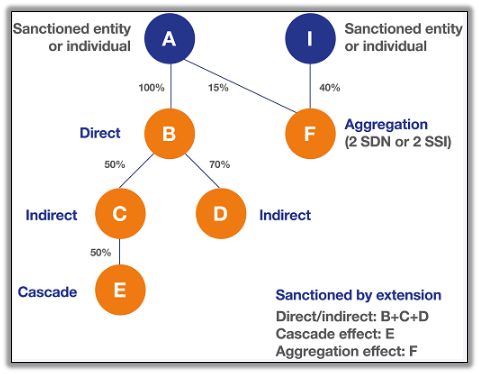
Above diagram illustrates the basic concept of OFAC 50% Rule. A company is sanctioned by extension if each of the ownership links in an unbroken chain between it and an explicitly sanctioned person or entity is 50% or more.
The number of layers between the explicitly sanctioned entity and the focus company determines whether the sanctioning by extension is direct, indirect or indirect but through the “cascade-down effect”.
- Direct : one level
- Indirect : two levels – or more if the “integrated ownership” still exceeds 50%
- Cascade-down effect : three or more levels, where “integrated ownership” is less than 50%
The exception to the “straightforward” explanation relates to “aggregation”, as shown by Company F in the diagram. Here, neither of the sanctioned owners owns 50% of Company F individually. But they exceed the threshold in combination, hence Company F is sanctioned by extension despite A and I having nothing to do with each other apart from their shared ownership of Company F.
As per OFAC new revised policy total indirect ownership of another company is not that important but the important is control.
Dow Jones Sanctions Ownership
Dow jones is a third-party grey list consisting of OFAC 50% rule blocked entities or individuals as well as the blocked entities or individuals having 50% or less ownership in any other firm which is not available OFAC source or any other government agencies.
Dow jones sanctions ownership list also consists of the blocked individuals or entities which have ownership stakes of 10% or more.
Dow jones identify if the sum of the sanctioned owners adds up to a majority stake or not, as defined by EU and U.S. regulators.
Sanctions Ownership Research identifies firms that are “controlled” by persons sanctioned by the US or EU:
- Firms with sanctioned persons either in upper management or on the Board of Directors
- Firms with sanctioned persons who exert voting control
Dow jones sanctions ownership list provides data in a structured format. List covers all information related to individual’s stakes in different companies. It also provides detailed information related to different sanctions under which individuals/entities designated.
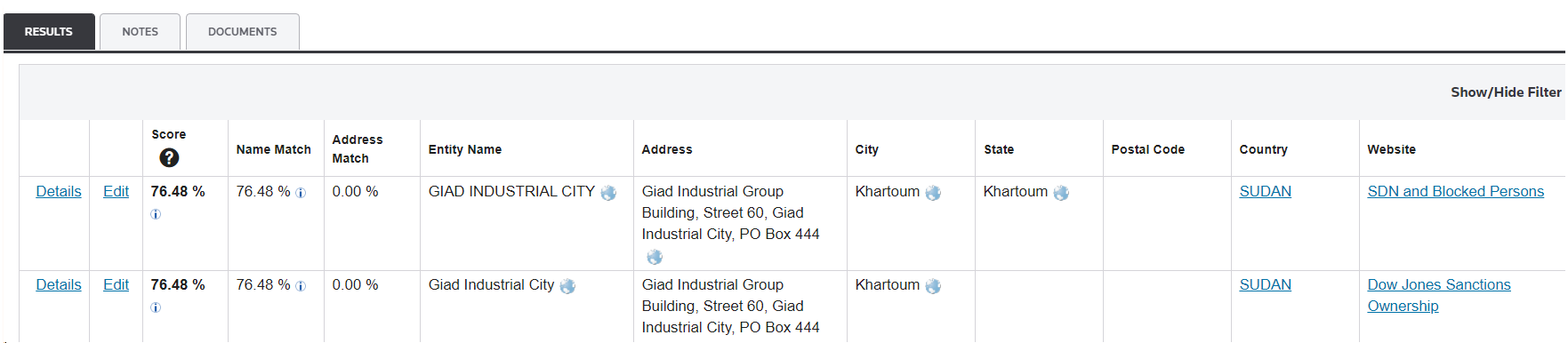
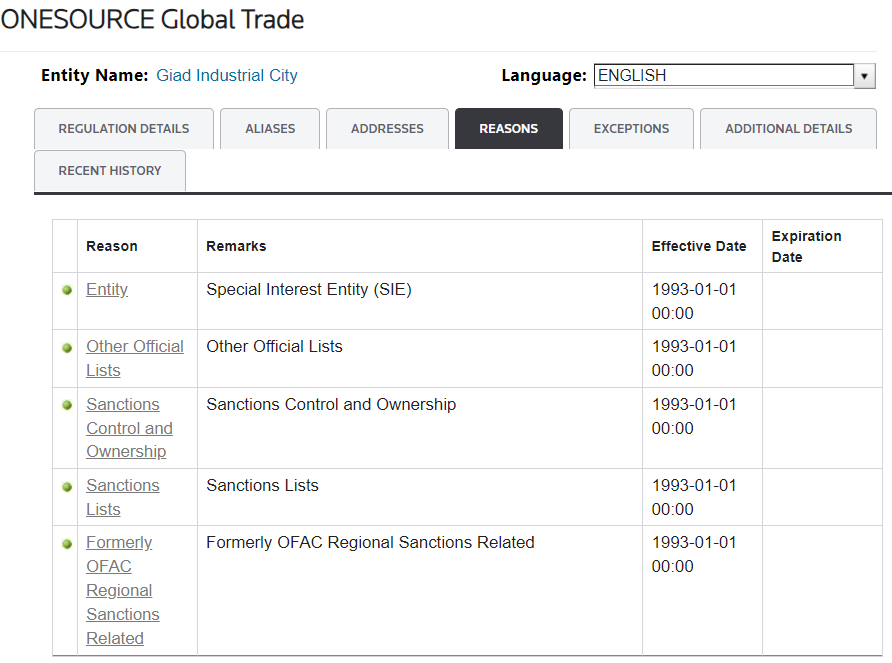
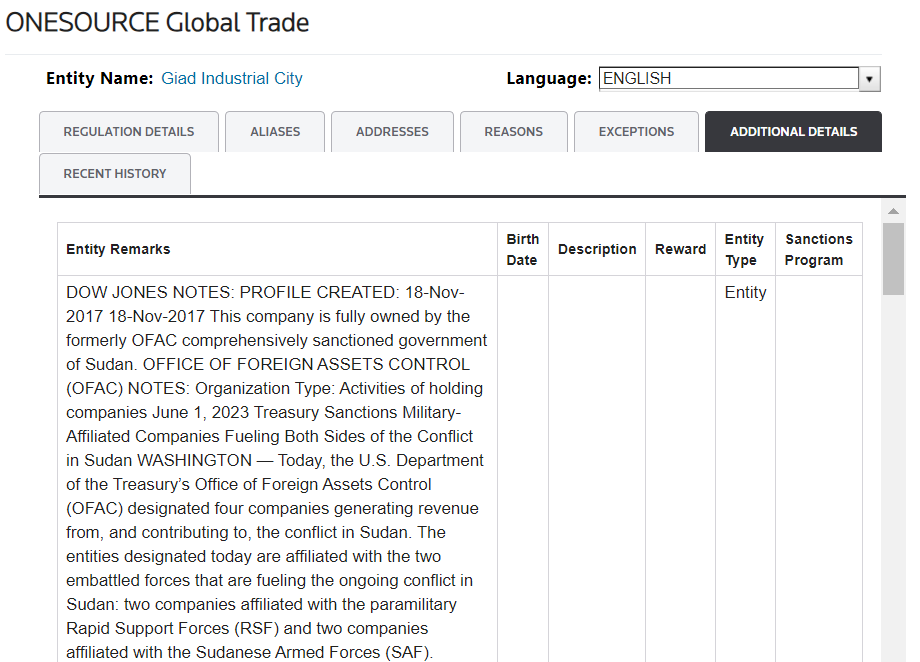
Why do We Need the Dow Jones Sanctions Ownership List?
The main purpose is to create value for our customers by providing the visibility of a company’s ultimate owner, or the owner’s owner. Global ownership is complex and dynamic, spanning several countries and levels.
Lack of information pathways and authority to request this information further make compliance and reporting tricky. Therefore Dow Jones sanctions ownership list supports enhanced due diligence for such type of information.
Also, this list covers Blocked Entities/Individuals having ownership in other firms because as per OFAC, clients need to be cautioned when considering a transaction with a non-blocked entity in which one or more blocked persons have a significant ownership interest that is less than 50 percent or which one or more blocked persons may control by means other than a majority ownership interest so, to provide such data, this list came in picture.
Related Content
-
DPS Content Maintenance: PEP and Adverse Media Screening
Format: Article
-
DPS Content Maintenance: Address Standardization and Subcountry Codes
Format:
Article
-
DPS Content Maintenance: Managing Low Quality Aliases
Format:
Article