
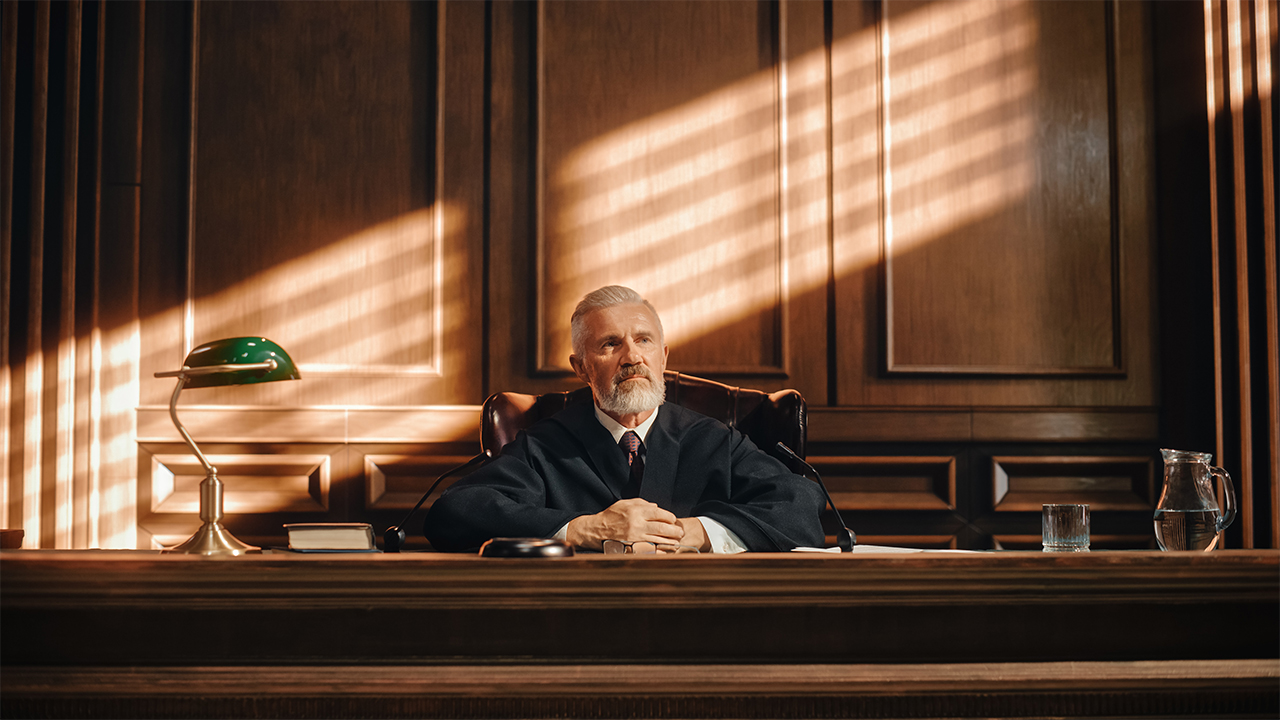
What happens when courts can no longer fully trust what theysee and hear? In this episode of Clarity, Dr. Maura Grossman and Hon. JudgeMaria Puente-Porras explore the growing challenge of AI-generated evidence andits implications for the justice system. The discussion examines two keyscenarios: cases involving acknowledged AI-generated outputs, where the use ofAI is undisputed but its reliability must be assessed, and cases involvingpotential deepfakes, where the authenticity of audio, video, or other evidenceis called into question. The speakers discuss emerging approaches toverification, proposed changes to evidence rules, and the standards courts mayneed to apply when evaluating AI-generated material.
The conversation also considers the broader opportunitiesand risks of AI in legal practice. While AI has the potential to improveproductivity, enhance access to justice, and assist with research, analysis,and document review, the speakers caution that it also introduces concernsaround accuracy, privacy, security, hallucinations, and manipulated evidence.Ultimately, they argue that AI is here to stay, making education, vigilance,and continuous verification essential for judges, lawyers, and litigants alike.
3 reasons to listen:
1. Learn how courts may verify AI-generatedevidence, including approaches for evaluating reliability, authenticity, andpotential deepfakes.
2. Understand the benefits and risks of AI in thejustice system, from increased efficiency and access to justice to concernsabout hallucinations, privacy, and misuse.
3. Hear from leading experts on the future of legalevidence, including what judges, lawyers, and courts must do to navigate anincreasingly AI-driven world.
Discover what AI-generated evidence means for courts, lawyers, and the future of justice.
Follow us on social
Topics
Have questions?
Get in touch with one of our solutions experts....
Featured Event
The 25th Annual Law Firm COO & CFO Forum
