Gen Z's growing purchasing power is driving a shift towards ethical labor practices in industries such as apparel, tea, and coffee, as they prioritize sustainability and are willing to pay more for products made without forced labor
Key insights:
-
-
-
Gen Z’s purchasing power — By 2030, Gen Z will represent 17% of retail spending in the US, significantly influencing industries such as apparel, tea, and coffee to adopt ethical labor practices.
-
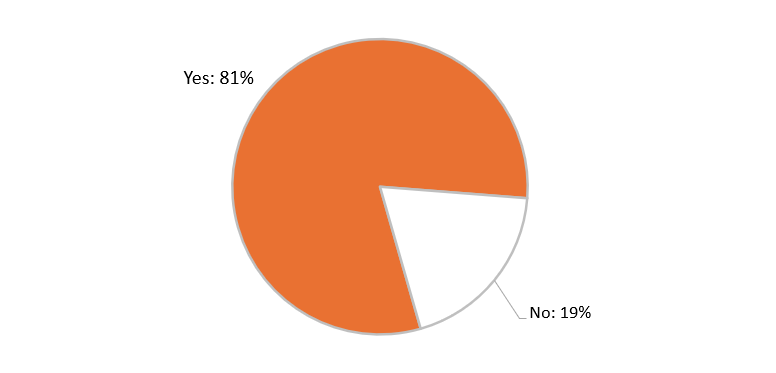
Ethical consumerism — Fully 81% of Gen Z consumers have changed their purchasing decisions based on brand actions or reputation, with 53% participating in economic boycotts.
-
Willingness to pay more — More than half of Gen Z consumers are willing to pay more for products made without forced labor, despite financial and accessibility constraints.
-
-
The United States accounted for more than one-fifth of the world’s imports of goods that were at risk of being made with forced labor, according a RAND report from earlier this year. In addition, the U.S. Department of Labor recognizes 478 instances of forced and child labor among different goods and nations, and this list includes makers and purveyors of coffee, tea, footwear, and some components of apparel.
With the apparel and footwear industry valued at $1.79 trillion, and the coffee and tea industry valued at $124.72 billion in 2024, any change in demand because of fluctuating economic factors or product attributes, including concerns over the use of modern slavery in companies’ supply lines, could impact these industries.
And one important economic factor that could influence more ethical practices is the growing purchasing power of Gen Z individuals (those born between 1995 to 2012). Indeed, by 2030, Gen Zers will represent 17% of retail spending in the US.
Now, new research produced by the Dynamic Sustainability Lab at Syracuse University in collaboration with Thomson Reuters indicates that this shift is already underway. A large majority (81%) of Gen Z individuals, who currently comprise about one quarter of the US population, have changed their decision to buy a product based on brand actions or overall reputation, according to the research. Likewise, 53% of Gen Z consumers state in March that they have, will, or are participating in a current economic boycott — the most of any generation in the US.
More evidence suggests this trend is not going away any time soon. In fact, Gen Z is leading the way, showing a stronger preference for sustainable brands (63%) and a higher willingness to pay more (73%) when compared to other generations. And the numbers for the apparel industry demonstrate this as well. A large portion (60%) of Gen Z consumers report that more than one-quarter of their wardrobe is second-hand, which is more than double the rate of the general consumer population.
Gen Zers will change their habits to protect workers
In addition, another study from the Dynamic Sustainability Lab that examined Gen Z’s purchasing habits related to products made with ethical labor reveals several key insights that highlight the growing power of Gen Z buyers.
For example, Gen Z consumers value purchasing apparel, tea, and coffee produced without forced labor, yet these consumers in this group face financial and accessibility constraints when purchasing. Indeed, they rank cost, affordability, and the quality of their products as the top factors influencing their purchasing decisions.
Further, 80% of participants who ranked cost and affordability as the top factor influencing their purchasing decisions also said they are willing to pay more for products with ethical considerations. And when it came to the awareness of modern slavery as a problem in the production of apparel, tea, and coffee, 91% said they were at least somewhat aware.
Specifically, more than 6 out of 10 survey respondents indicated that forced labor was a problem in tea and coffee production, and 8 out of 10 Gen Z consumers indicated that forced labor was an issue for apparel production. In addition, 81% have changed their purchasing decision because of a brand action or decision, while almost 70% said the purchase decision change was entirely or partly because of ethical labor considerations.
Have you changed a purchasing decision because of brand action or reputation?
At the same time, only 43% of Gen Z respondents can name a brand that’s using forced labor. This suggests the need for greater transparency of supply chain operations on the part of makers and suppliers of consumer goods.
Recommended actions for companies
Almost all (96%) of Gen Z survey respondents said they believe their generation can drive corporate change through consumer power. Companies can leverage this knowledge by doubling down on increasing transparency and building awareness of their efforts. Some steps companies can take toward that include:
Make detailed policies on ethical sourcing available publicly — Companies should begin by conducting a comprehensive review of their current sourcing practices to identify areas for improvement. Once a thorough understanding is established, they can draft clear and detailed ethical sourcing policies that reflect their commitment to eliminating forced labor and promoting fair practices throughout their supply chain. These policies should then be translated into accessible language and made available on the company website.
Publish an independent audit or conduct a human rights impact assessment — To demonstrate accountability and transparency, companies can commission an independent third-party audit of their supply chain operations. This audit should assess the company’s compliance with ethical labor standards and identify any instances of forced labor. The results of the audit should be made publicly available, accompanied by an action plan outlining steps the company will take to address any problems uncovered.
Additionally, conducting a human rights impact assessment will help companies understand the broader social implications of their business practices and identify areas for improvement. This process involves engaging stakeholders, including workers, in order to gather insights and ensure stakeholders’ rights are prioritized.
Obtain a forced labor-free certification — Success in pursuing and achieving certification will require companies to undergo rigorous evaluations and demonstrate their commitment to maintaining forced labor-free operations. Companies should initiate the process by aligning their practices with the standards set by recognized certifying bodies. This may involve revising supplier contracts, implementing robust monitoring systems, and providing training for staff and suppliers on ethical labor practices.
Gen Z is emerging as a strong force in driving ethical consumerism, with their increasing purchasing power influencing industries to adopt more transparent and fair labor practices. As they prioritize ethical considerations, Gen Z’s demand for transparency and accountability from brands offers a significant opportunity for companies to align with these values and foster consumer trust.
This will be of increasing importance as current US tariff policies may potentially result in institutional buyers such as retailers and brands having to source from global producers and manufacturers in new and emerging geographies.
About the Dynamic Sustainability Lab
The Dynamic Sustainability Lab (DSL) at Syracuse University is a non-partisan think tank and research organization which examines the opportunities as well as risks and unintended consequences resulting from the adoption of new technologies, new strategies or policies and our growing dependence on foreign-sourced resources and supply chains used in energy, climate and sustainability transitions.
Directed by Dr. Jay Golden, the Pontarelli Professor in the Maxwell School of Citizenship and Public Affairs at Syracuse University, the DSL focuses on providing interdisciplinary scientific approaches that support both governments and businesses through the lens of markets, policies, and national security — what they call, Dynamic Sustainability.
You can find out more about the challenges of fighting against forced labor in global supply chains here