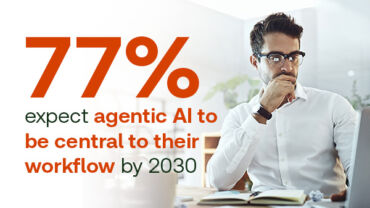
In our latest "Inside the Shift" feature article, we examine how excessive and unchecked use of AI in the workplace can erode human connection, skills, and well-being — and what organizations can do to stop it
You can read TRI’s latest “Inside the Shift” feature, The human side of AI: The growing risks of ubiquitous use of AI on talent here
It’s no exaggeration to say that AI is everywhere in our workplaces right now. It writes our emails, summarizes our meetings, generates slides, and even helps us think through problems. On the surface, this may sound like progress — and in many ways, it is.
However, our latest Inside the Shift feature, The human side of AI: The growing risks of ubiquitous use of AI on talent by Natalie Runyon, Content Strategist for Sustainability and Human Rights Crimes for the Thomson Reuters Institute, makes a clear and timely point: When AI use becomes excessive and unchecked, it can quietly undermine the very people it’s meant to help.
One major consequence of cognitive decay is the weakening of the brain’s capacity to engage deeply, question systematically, and — somewhat ironically — resist the potential manipulation of AI.

As the article goes into in much greater detail, these harms caused by AI overuse can include a slow erosion of human connections, a loss of a professional’s sense of purpose, and a general sense of feeling overwhelmed in the workplace.
Of course, the solution isn’t to reject AI, it’s to use it better. To this end, the article makes a strong case for organizations to foster hybrid intelligence, a process by which human judgment and creativity work alongside AI capabilities.
In today’s workplace, AI can be a powerful advantage; however, that is only if organizational leaders can remember that technology should enhance the human experience, not replaces the parts of professional life that workers value.
To examine this and many more situations, the Thomson Reuters Institute (TRI) has launched a new feature segment, Inside the Shift, that leverages our expert analysis and supporting data to tell some of the most compelling stories professional services today